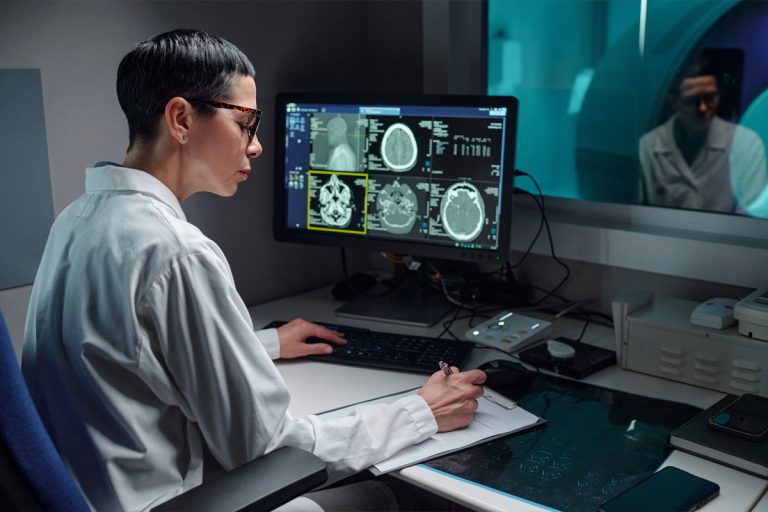

The Four Sciences at the Heart of Safer, Smarter Radiography
Radiography today is more complex, more pressured, and more interconnected than ever.
High‑quality care depends not only on clinical expertise, but on our ability to design systems where people can thrive and patients can trust the care they receive. At Naomi Burden Consulting & Coaching, I bring together four complementary sciences that strengthen the way radiography teams work, learn, and deliver care.
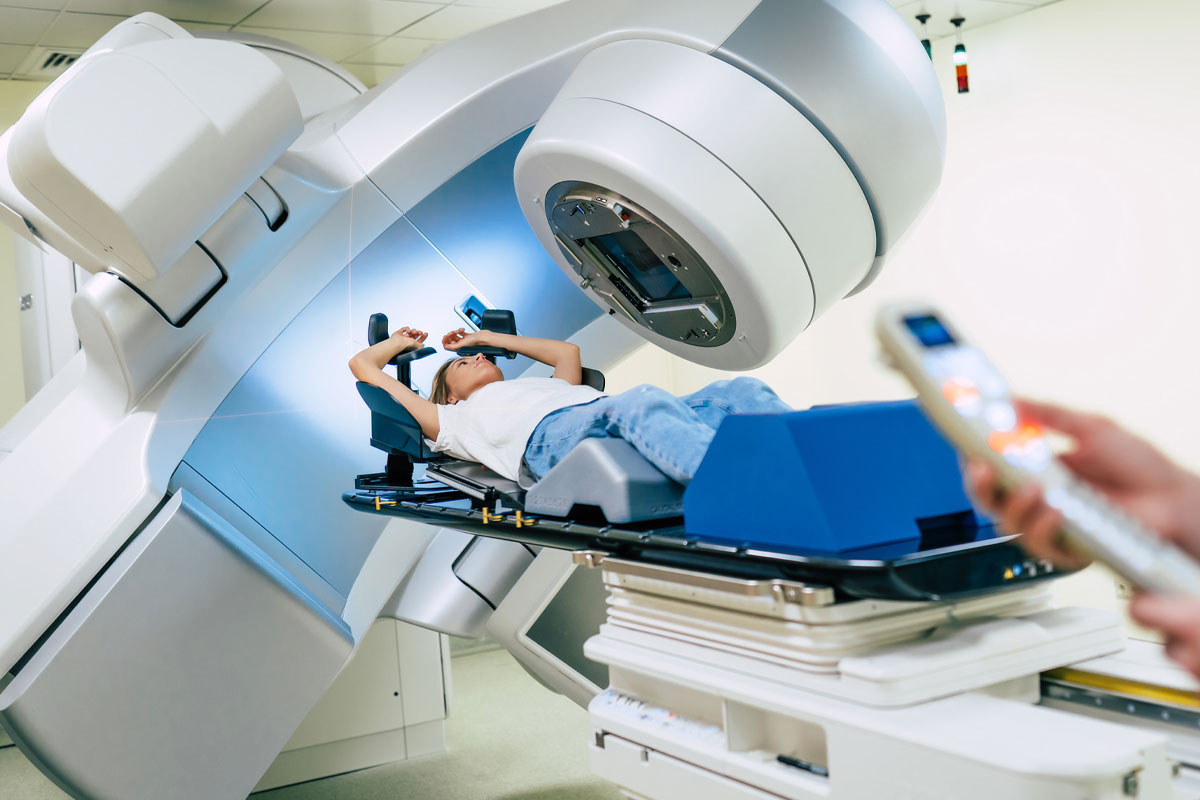
1. Therapeutic Radiography Science
Therapeutic radiography is built on precision, communication, and the ability to hold clinical excellence and human connection simultaneously. My experience in treatment delivery and patient‑centred radiotherapy provides a deep understanding of:
- Complex clinical workflows
- High‑stakes decision‑making
- Interdisciplinary collaboration
- Patient expectations, anxieties, and needs
This perspective grounds all improvement work in real clinical reality, not theoretical ideals.
1. Therapeutic Radiography Science
Therapeutic radiography is built on precision, communication, and the ability to hold clinical excellence and human connection simultaneously. My experience in treatment delivery and patient‑centred radiotherapy provides a deep understanding of:
- Complex clinical workflows
- High‑stakes decision‑making
- Interdisciplinary collaboration
- Patient expectations, anxieties, and needs
This perspective grounds all improvement work in real clinical reality, not theoretical ideals.
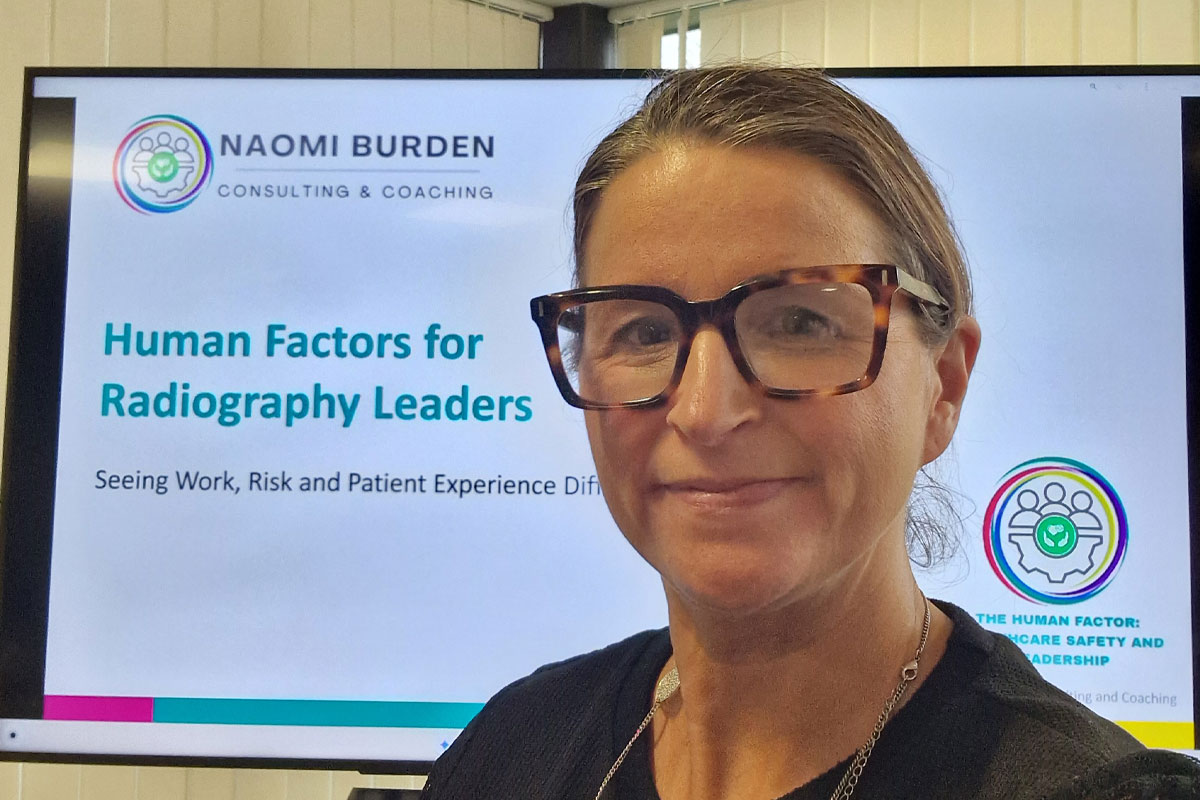
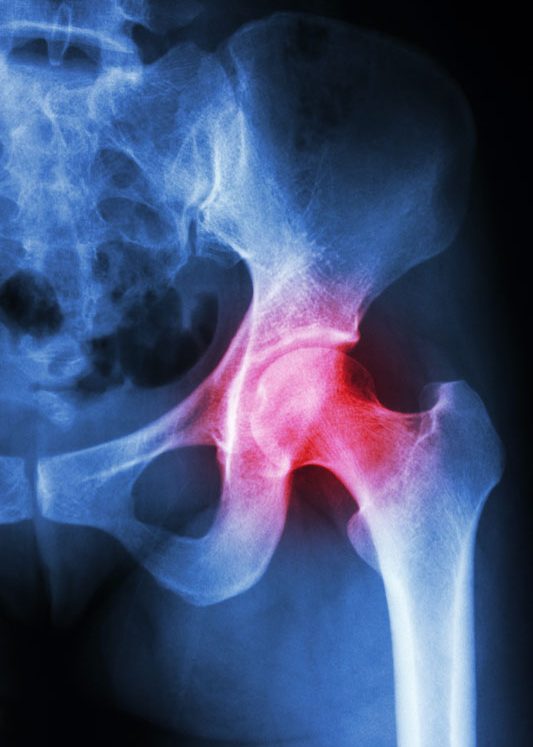
2. Diagnostic Radiography Science
Years leading quality and safety within diagnostic imaging have shown me how diagnostic workflows shape the entire patient journey.
I help teams improve:
- Image quality and consistency
- Workflow design and modality‑specific processes
- Team coordination and communication
- Patient experience in high‑throughput environments
This dual‑field insight is rare — and it allows me to bridge siloed thinking and help teams design safer systems that work across the radiographic spectrum.
3. Human Factors Science
Human factors gives us the tools to understand why people do what they do, and how environment, design, stress, workload, communication, and culture influence performance.
I help radiography teams and services apply human factors to:
- Reduce risk and variation
- Strengthen safety culture
- Improve decision‑making under pressure
- Build error‑resistant systems
- Design processes that work for real humans, not idealised versions
Human factors lets us see systems clearly — not just incidents or individuals.
3. Human Factors Science
Human factors gives us the tools to understand why people do what they do, and how environment, design, stress, workload, communication, and culture influence performance.
I help radiography teams and services apply human factors to:
- Reduce risk and variation
- Strengthen safety culture
- Improve decision‑making under pressure
- Build error‑resistant systems
- Design processes that work for real humans, not idealised versions
Human factors lets us see systems clearly — not just incidents or individuals.
4. Quality Improvement Science
Quality improvement turns insight into practical, sustainable change. I support teams to:
- Identify system contributory factors (to address causes rather than symptoms)
- Test and embed improvements
- Measure what matters
- Strengthen leadership and accountability
- Build a culture that learns, adapts, and improves continuously
Quality improvement and human factors are powerful alone — but transformational together.
Where These Sciences Meet
Radiography is a discipline where technical precision and human care intersect. It’s also a place where small pressures can cause big consequences.
Bringing these four sciences together means I can support you to:
- Strengthen patient safety
- Improve team performance
- Enhance communication and workflow reliability
- Reduce variation and risk
- Build systems that are resilient, adaptable, and human‑centred
Whether you’re teaching the next generation, leading a service, redesigning a pathway, or trying to solve a stubborn problem — this interdisciplinary approach gives you clarity, direction, and momentum.
Where These Sciences Meet
Radiography is a discipline where technical precision and human care intersect. It’s also a place where small pressures can cause big consequences.
Bringing these four sciences together means I can support you to:
- Strengthen patient safety
- Improve team performance
- Enhance communication and workflow reliability
- Reduce variation and risk
- Build systems that are resilient, adaptable, and human‑centred
Whether you’re teaching the next generation, leading a service, redesigning a pathway, or trying to solve a stubborn problem — this interdisciplinary approach gives you clarity, direction, and momentum.

Who I Work With
My work supports:
- University lecturers shaping future radiography professionals
- Radiologists seeking safer imaging workflows
- Diagnostic radiographers managing demand, variation, and real‑time decision‑making
- Therapeutic radiographers delivering high‑precision, high‑trust care
- Radiography nurses navigating communication, safety, and workflow complexity
If your world involves patients, imaging, treatment, or safety, our collaboration will feel intuitive and impactful.
“If you have a knotty problem — let’s untangle it…”
If you’re facing a challenge that’s complex, recurring, or hard to pin down, I’d love to help. Sometimes progress starts with a conversation — send me a direct message, and let’s explore it together.
Let’s work
and create together.
Find out more about how Naomi can help with your coaching by speaking with her today…